Counselling for relationships

The people closest to us can also be where we feel most stuck, hurt or alone.

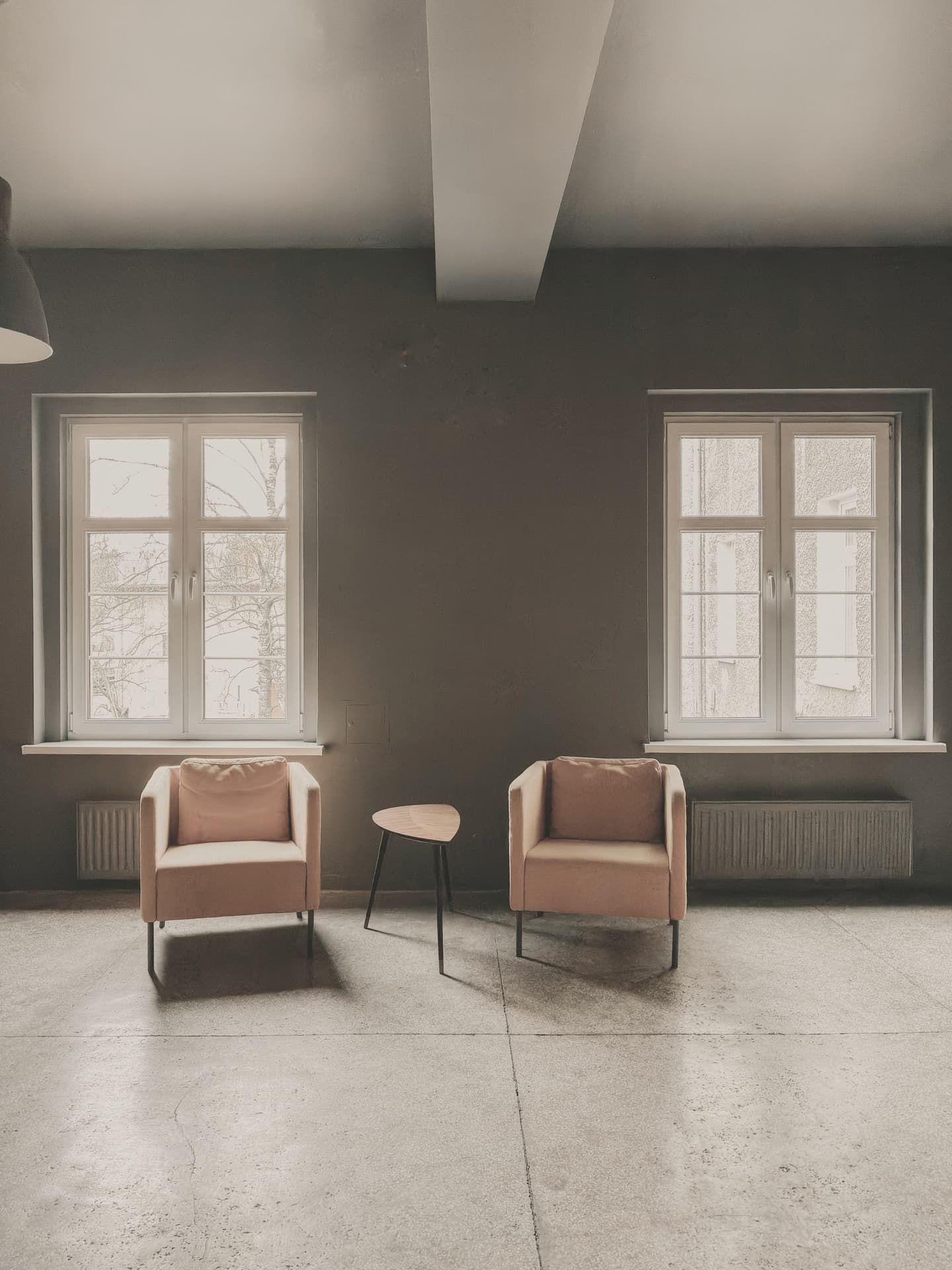
Two armchairs between tall windows

What relationship difficulties can look like

This is one-to-one work about your side of your relationships, whether with a partner, family, friends or colleagues.

In your thoughts
Going over arguments, second-guessing what you said, assuming you are too much or not enough.
In your body
A knot in the stomach before a conversation, walking on eggshells, shutting down when things heat up.
In your days
The same argument in different clothes, keeping the peace at your own expense, drifting apart.

How we might work on it together

We look at what happens between you and other people: what you expect, what you fear, and what you do when you feel hurt or unheard.

Many of these patterns were learned early and made sense at the time. Seeing them clearly gives you more choice about how you respond, and about what you ask for.

You can’t change another person, but you can understand your own part.

What sessions are like

Every course of therapy is different, but most move through three phases, with regular reviews along the way.

  1. Beginning

    We build a picture of what brings you, what you need, and what you hope therapy will give you.

  2. Middle

    The main work. We go further into what you have brought, and what it means for your life outside our sessions.

  3. Ending

    We bring together what you have learned and plan how you will take it forward.

When it might be time to talk to someone

There is no right moment, and you don’t need to be at breaking point. These are some of the signs people mention.

  • It has gone on for longer than you expected.
  • It is getting in the way of sleep, work or the people close to you.
  • The things that usually help have stopped helping.
  • You have talked to friends or family, or you feel you can’t.
  • You keep thinking about talking to someone.

Questions people ask

Before starting, whatever brings you. Something else? Ask me directly.

Do I need a diagnosis, or a referral from my GP?

No. You can contact me directly, and you don’t need a name for what you are going through. I don’t diagnose or prescribe. If you are already seeing your GP or taking medication, counselling can sit alongside that.

What if I find it hard to talk about?

Most people do at first. We go at your pace, and you choose what to say and what to leave for later. Sitting quietly for a while is fine too.

Will I have to go over everything that has happened?

No. Some people want to tell the whole story and others want to stay with what is happening now. You decide what we talk about, and when.

What if more than one of these fits me?

That is very common. Difficulties rarely arrive one at a time, and we work with all of what you bring. You don’t have to pick one.

What if my problem doesn’t feel serious enough?

There is no threshold to meet. If something is bothering you enough that you are reading this page, it is worth a conversation.

All questions

Whenever you feel ready

Tell me a little about what’s going on, and we’ll take it from there.